Contact now:info@jameschem.com

SEARCH WHAT YOU WANT
As we all know, postlarvae acclimation before stocking is a critical step in the shrimp culture process. One of the most dynamic leaders and innovators in inorganic peroxide manufacturing, James Chem, has successfully introduced the high-quality peroxide product series of Oxsmart™, which has helped our partners achieve significant advancements in enhancing shrimp health and productivity.
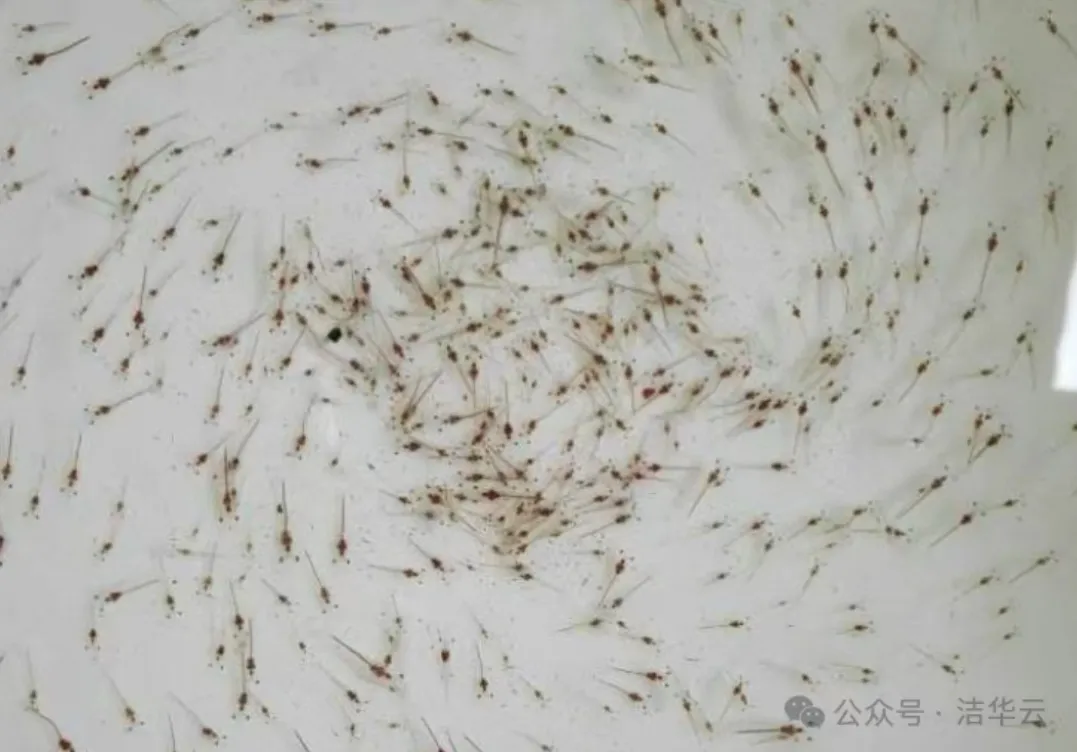
Fry larvae mortality often occurs during the initial period of shrimp stocking in ponds. Understanding water quality parameters does help in managing the pond. Those parameters include dissolved oxygen (DO), pH, nutrients (such as bottom silt and organic materials like dead vegetation and landscape debris), residual chlorine, harmful toxic substances, nitrogenous waste (ammonia), hydrogen sulfide, and others.
Shrimp fry are very sensitive to abrupt changes in environmental conditions such as temperature and salinity. Thus, check that the temperature is 65-95°F (18-35°C) with appropriate salinity and high dissolved oxygen (DO) levels. The salinity of hatchery conditions for developing larvae and the farm pond should be a relatively safe, predictable environment, with a difference of no more than 3% to 5%. Pay attention to the salinity decrease, which should be no more than 3 ppt per hour. Low-salinity water lacks the necessary minerals and trace elements. When reducing the salinity below 8%, successful mineral and trace element supplementation is important to prevent shrimp larvae from molting and swollening hind gut disease in postlarvae.
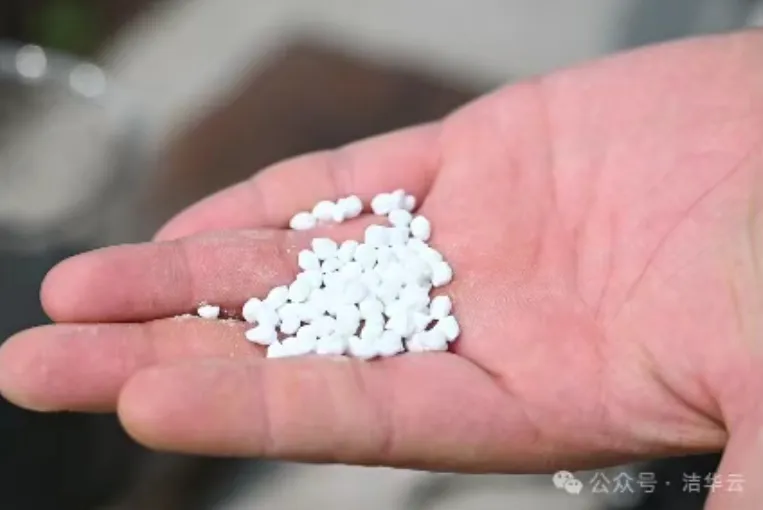
There are at least three toxic compounds in shrimp farms, namely ammonia, hydrogen sulfide, and toxic compounds, which hurt the development of shrimp larvae. In shrimp-farming operations, one of the primary wastes is nitrogen. Ammonia could be excreted by shrimps and arises from the decomposing organic solids, such as uneaten feed. Nitrite is formed as an intermediate product either during bacterial nitrification of ammonia or bacterial denitrification of nitrate. It may accumulate in anaerobic soils and bottom muds. It may also accumulate in water after a sudden increase in ammonia concentrations following phytoplankton die-off. High pH can cause a severe imbalance between the reduction rates of nitrate and nitrite, with nitrite reduction being inhibited, leading to its accumulation. Nitrite stress can lead to a number of problems, such as abnormal growth and increased mortality in shrimp. It may also cause hepatopancreatic cell shrinkage, lysis, and vacuolization, and induce oxidative damage to the hepatopancreas in shrimp. Shrimp have lower sulfide tolerance. Sulfide stress disrupts the structural integrity of gill and gut tissues and triggers an immune response, as well as affecting osmoregulation and antimicrobial capacity. Our Oxsmart™ oxygenation for aquaculture and Oxsmart™ Hydrogen Peroxide Disinfection-98% can meet all your specific aquaculture oxygenation and disinfection needs for both freshwater and seawater farming. Hydrogen peroxide is currently FDA-approved for use in aquaculture to treat specific diseases. Hydrogen peroxide acts as an oxidizing agent that helps oxidize and neutralize organic matter and harmful compounds in pond water, such as nitrite and hydrogen sulfide. It can improve water quality and increase dissolved oxygen (DO) levels. The Oxsmart™ is environmentally friendly and easy to use. Ensure the pH is below 9.0 and add the proper dose. It is pretty safe and will not cause any irritation during the seedling stage.
Chlorination is widely used to kill disease organisms or their vectors in shrimp ponds before stocking. However, excessive residual chlorine in the ponds, resulting from the use of chlorine-based disinfectants, can have devastating effects on shrimp aquaculture. Because chlorine reacts with amines (from waste at the pond bottom) and forms chloramine, a toxic compound that kills shrimp fry, destroys good bacteria, and ruins pond balance. Shrimp gill tissue is delicate and exposed, which is extremely sensitive to Chlorine. Chlorine damages epithelial cells, which leads to reduced oxygen uptake, lethargy, mass mortality, especially in post-larvae. Long-term exposure to water containing residual chlorine can weaken shrimp immunity, lead to reduced growth rates, and smaller sizes. Thus, regularly testing residual chlorine levels is crucial for successful shrimp farming. Typically, the concentration of total residual chlorine should not exceed 0.1 Mg/L. In James Chem, we use Oxsmart™, a chlorine-free disinfectant that can effectively kill anaerobic and disease-causing bacteria in the water body, as well as solve the anoxic problem at the bottom of the aquaculture pond.
The case demonstrates that adding probiotics to shrimp hatcheries also offers substantial benefits, including improved survival rates, control of pathogens, and enhanced seed quality. Young fry of size below 1.0 g need to be first stocked in nursery ponds for about one month to 45 days before being transferred to grow-out ponds. When it is time to release to the pond, do it slowly. Plastic bags containing the shrimp fry are allowed to float in the pond until the water temperature stabilizes.
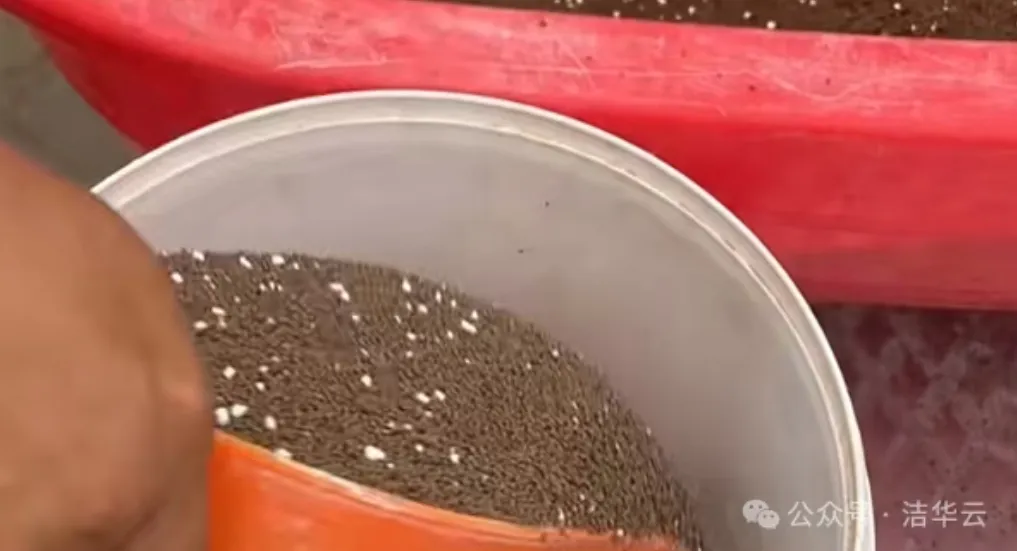
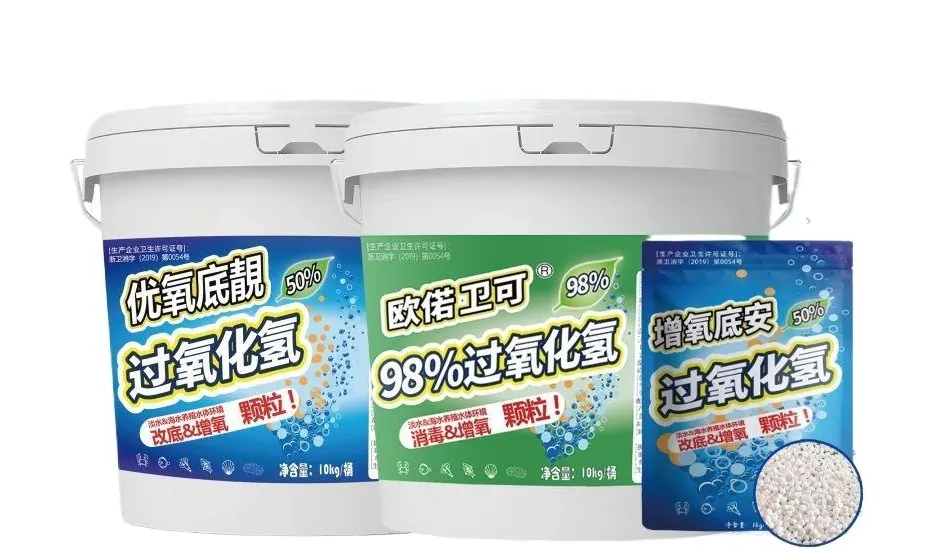
Our group has a good business reputation worldwide, and we have broken through the tech bottlenecks make standard animal protection more efficient for industry-scale applications. The highlighted products for culturing shrimp include Oxsmart™ Oxygenation for Aquaculture and Oxsmart™ Hydrogen Peroxide Disinfection, which contain hydrogen peroxide as the main active ingredient at concentrations of 50% and 98%, respectively. It can be used separately or mixed with feeding. Distribute Oxsmart™ evenly over the bottom of the pond. Oxsmart™ will effectively desilt the sludge on the bottom and break down harmful bacteria, which is more efficient and milder than the regular hydrogen peroxide tablets. In the meantime, a bottom drain can keep the water circulating, ensuring oxygen is evenly distributed, and the shrimp pond remains healthy. James Chem is your trusted partner. We not only have standardized products but also provide a one-on-one customized solution. Look forward to your early cooperation.
Related Products
 |
 |
|
| Oxsmart™ Hydrogen Peroxide Disinfection-98% | Oxsmart™ Oxygenation for Aquaculture |
As we all know, postlarvae acclimation before stocking is a critical step in the shrimp culture process. One of the most dynamic leaders and innovators in inorganic peroxide manufacturing, James Chem, has successfully introduced the high-quality peroxide product series of Oxsmart™, which has helped our partners achieve significant advancements in enhancing shrimp health and productivity.
Fry larvae mortality often occurs during the initial period of shrimp stocking in ponds. Understanding water quality parameters does help in managing the pond. Those parameters include dissolved oxygen (DO), pH, nutrients (such as bottom silt and organic materials like dead vegetation and landscape debris), residual chlorine, harmful toxic substances, nitrogenous waste (ammonia), hydrogen sulfide, and others.
Shrimp fry are very sensitive to abrupt changes in environmental conditions such as temperature and salinity. Thus, check that the temperature is 65-95°F (18-35°C) with appropriate salinity and high dissolved oxygen (DO) levels. The salinity of hatchery conditions for developing larvae and the farm pond should be a relatively safe, predictable environment, with a difference of no more than 3% to 5%. Pay attention to the salinity decrease, which should be no more than 3 ppt per hour. Low-salinity water lacks the necessary minerals and trace elements. When reducing the salinity below 8%, successful mineral and trace element supplementation is important to prevent shrimp larvae from molting and swollening hind gut disease in postlarvae.
There are at least three toxic compounds in shrimp farms, namely ammonia, hydrogen sulfide, and toxic compounds, which hurt the development of shrimp larvae. In shrimp-farming operations, one of the primary wastes is nitrogen. Ammonia could be excreted by shrimps and arises from the decomposing organic solids, such as uneaten feed. Nitrite is formed as an intermediate product either during bacterial nitrification of ammonia or bacterial denitrification of nitrate. It may accumulate in anaerobic soils and bottom muds. It may also accumulate in water after a sudden increase in ammonia concentrations following phytoplankton die-off. High pH can cause a severe imbalance between the reduction rates of nitrate and nitrite, with nitrite reduction being inhibited, leading to its accumulation. Nitrite stress can lead to a number of problems, such as abnormal growth and increased mortality in shrimp. It may also cause hepatopancreatic cell shrinkage, lysis, and vacuolization, and induce oxidative damage to the hepatopancreas in shrimp. Shrimp have lower sulfide tolerance. Sulfide stress disrupts the structural integrity of gill and gut tissues and triggers an immune response, as well as affecting osmoregulation and antimicrobial capacity. Our Oxsmart™ oxygenation for aquaculture and Oxsmart™ Hydrogen Peroxide Disinfection-98% can meet all your specific aquaculture oxygenation and disinfection needs for both freshwater and seawater farming. Hydrogen peroxide is currently FDA-approved for use in aquaculture to treat specific diseases. Hydrogen peroxide acts as an oxidizing agent that helps oxidize and neutralize organic matter and harmful compounds in pond water, such as nitrite and hydrogen sulfide. It can improve water quality and increase dissolved oxygen (DO) levels. The Oxsmart™ is environmentally friendly and easy to use. Ensure the pH is below 9.0 and add the proper dose. It is pretty safe and will not cause any irritation during the seedling stage.
Chlorination is widely used to kill disease organisms or their vectors in shrimp ponds before stocking. However, excessive residual chlorine in the ponds, resulting from the use of chlorine-based disinfectants, can have devastating effects on shrimp aquaculture. Because chlorine reacts with amines (from waste at the pond bottom) and forms chloramine, a toxic compound that kills shrimp fry, destroys good bacteria, and ruins pond balance. Shrimp gill tissue is delicate and exposed, which is extremely sensitive to Chlorine. Chlorine damages epithelial cells, which leads to reduced oxygen uptake, lethargy, mass mortality, especially in post-larvae. Long-term exposure to water containing residual chlorine can weaken shrimp immunity, lead to reduced growth rates, and smaller sizes. Thus, regularly testing residual chlorine levels is crucial for successful shrimp farming. Typically, the concentration of total residual chlorine should not exceed 0.1 Mg/L. In James Chem, we use Oxsmart™, a chlorine-free disinfectant that can effectively kill anaerobic and disease-causing bacteria in the water body, as well as solve the anoxic problem at the bottom of the aquaculture pond.
The case demonstrates that adding probiotics to shrimp hatcheries also offers substantial benefits, including improved survival rates, control of pathogens, and enhanced seed quality. Young fry of size below 1.0g need to be first stocked in nursery ponds for about one month to 45 days before being transferred to grow-out ponds. When it is time to release to the pond, do it slowly. Plastic bags containing the shrimp fry are allowed to float in the pond until the water temperature stabilizes.
Our group has a good business reputation worldwide, and we have broken through the tech bottlenecks make standard animal protection more efficient for industry-scale applications. The highlighted products for culturing shrimp include Oxsmart™ Oxygenation for Aquaculture and Oxsmart™ Hydrogen Peroxide Disinfection, which contain hydrogen peroxide as the main active ingredient at concentrations of 50% and 98%, respectively. It can be used separately or mixed with feeding. Distribute Oxsmart™ evenly over the bottom of the pond. Oxsmart™ will effectively desilt the sludge on the bottom and break down harmful bacteria, which is more efficient and milder than the regular hydrogen peroxide tablets. In the meantime, a bottom drain can keep the water circulating, ensuring oxygen is evenly distributed, and the shrimp pond remains healthy. James Chem is your trusted partner. We not only have standardized products but also provide a one-on-one customized solution. Look forward to your early cooperation.
Related Products
Oxsmart™ Hydrogen Peroxide Disinfection-98%
Oxsmart™ Oxygenation for Aquaculture